
Gambling ads banned in stadiums as government launches betting reforms
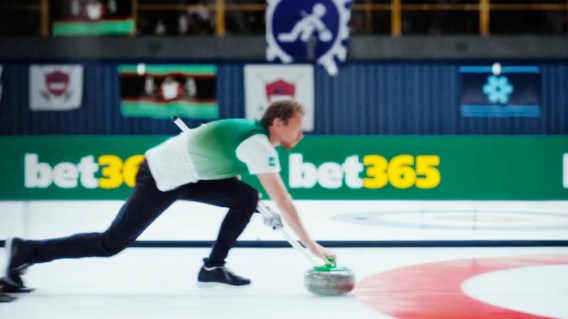
Banned: An example of what won't be allowed in the new world (Bet365)
Prime minister Anthony Albanese announced a raft of gambling reforms today, including a total ban on in-stadium advertising, frequency caps for TV commercials, and banning celebrities and sports stars from promoting gambling.
The sweeping measures stop short of the complete advertising ban recommended by the parliamentary inquiry led by the late Labor MP Peta Murphy in 2023, but mark what Albanese refers to as “the most significant reform on gambling that has ever been implemented”.
Announcing the policy during a National Press Club speech on Thursday afternoon, Albanese said the laws will limit the number of TV ads for betting agencies to three per hour, and ban all gambling ads on radio during school pick-up and drop-off.

Cross-promotional content that blends commentary with betting odds will be banned, as will advertising on jerseys, jumpers, and in stadiums.
Online advertising is restricted to those who can verify they are over 18, with the ability to opt out, and offshore gaming sites will be blocked. Albanese also said the government will ban “Keno type products, the so-called ‘pocket pokies’, which represent a huge percentage of Australian gambling losses”.
While the prime minister did not mention the celebrity ban in his Press Club appearance, it was spelled out on the web site announcing the measures.
“The reforms will minimise children’s exposure to gambling harm by stopping the deluge of advertisements through:
- Restricting gambling advertising on broadcast television to no more than three ads each hour between 6am and 8.30pm, with a complete ban during live sport broadcasts within those hours
- Banning gambling ads on the radio during school drop off and pick up times (8am to 9am and 3pm to 4pm)
- Banning gambling ads through online platforms, unless people have a logged in account, are over 18 and have the option to opt-out of gambling advertising
- Banning the use of celebrities and sports players in gambling ads, along with odds-style ads targeting sports fans
- Banning gambling ads in sports venues and on players’ and officials’ uniforms.”
Albanese said the new measures were about “getting the balance right”.
“[It’s about] letting adults have a punt if they want to, but making sure our children don’t see betting ads everywhere they look. Because we don’t want kids growing up thinking that footy and gambling are inextricably linked.”
Albanese also said his government would be tabling a response to the Murphy report on the first day that Parliament comes back, which is May 12.
Shortly after the announcement, Responsible Wagering Australia (RWA) issued a statement warning the “draconian measures” outlined by Albanese risk driving problem gamblers to bet offshore.
RWA CEO Kai Cantwell called the announcement “a real kick in the guts for the industry”.
“This sector contributes almost $6 billion to the Australian economy, supports around 30,000 jobs, and provides critical funding to sport, racing and broadcast industries across the country,” he said.
“Decisions of this scale must be evidence based and developed with industry to avoid unintended consequences.
“For an industry that has engaged in good faith and delivered meaningful reform, this announcement today is disappointing.”
Cantwell said the decision “sets a dangerous precedent”.
“Today it’s gambling advertising, tomorrow it’s alcohol, then it’s sugary drinks, fast food, critical minerals and who knows what else comes next.
“This package of measures even seeks to go further than the Murphy Inquiry with the banning of online Keno and goes beyond the remit of the Federal Government by phasing out jersey and stadium advertising.”
He further warned that “if the licensed market is overregulated, Australians won’t stop gambling. They will go offshore to operators with no consumer protections, no oversight, and no contribution to the Australian economy, sport or racing.”

LONG overdue. Young men are hammered with gambling ads and its about time they get a break. Well done.
But really, it lines the pockets of foreign-owned companies. And drains far more $$$