
Inside the surge of indie media wins

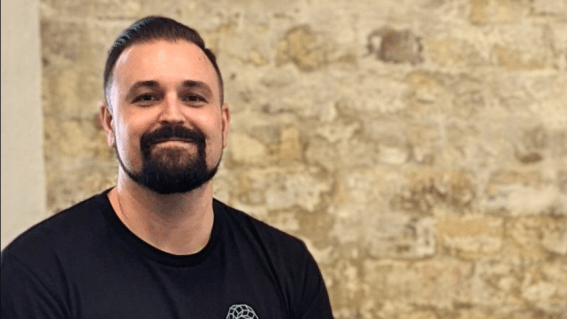
Size is no longer a barrier for independent media agencies. What happens when the big end of town loses one of its positioning points of difference over agency competitors? A redress in balance. Chris Rozic, chief growth officer at XPON, explains. 
AI-enabled technology is helping indies compete at a scale not seen before, and the definition of growth is changing with it.

Speaking directly with agency leaders, I’ve heard how growth is geared towards maximising profitability per person, it’s structured around repeatable IP, as well as managed services.

AI now lets a 20-person agency deliver like one double its size.

That’s how it’s played out over the past 12 months, speaking with leaders in New Zealand. And it’s mirrored through the results we’re also seeing in Australia.

One trend – both sides of the ditch

Two or three years ago, we heard the bullish claims from Holdco media agency leaders around the technology. Publicis CSO Carla Serrano, exclaimed that AI would push “boundaries of creative” like never before “…this tool is freaking amazing”. And closer to home Dentsu’s Danny Bass, observed in 2023 that “AI’s role in marketing will be transformative”.

However, holdcos are shrinking across the board – Dentsu ANZ restructuring after transformation flops, racking up $1.1b in losses over the past 12 months. Iconic agency brands are being retired – DDB, FCB among them. Full-year 2025 revenues are down 8.1% at WPP, at a global level.

Meanwhile, it’s indies who have risen to claim a greater volume of new pitch wins. Over the past 12 months independents have gained 64% market share of new business in Australia in 2025, with the likes of Nunn Media, picking up Peloton and ServiceNow, reaching $381m in billings.

The balance is shifting, with indies well positioned; with the lack of conflicting interests and the potential to pivot quickly. This enables brands to drive more profitable marketing and business outcomes, an ethos we share as an independent at XPON.

Independence from tech shackles

Not long ago, access to leading industry tech remained a purview of holdcos only, given the resources available to build proprietary platforms for global clients.

However the proliferation of emerging technology, and the experience of many indie agency founders as former Holdco leaders, has resulted in big agency thinking now combined with tailored technology solutions, all with that indie flexibility baked-in.

AI and automation is evolving quickly. Moore’s Law has been displaced by “scaling laws”, focusing on computing power rather than transistor density. AI capabilities now double in months, not years. It means that the best platform for your brand or agency today, could shift before the end of a retainer period. Indie agencies have the agility to test, learn, break, and implement as access to the bleeding-edge of tech shifts.

If one AI platform or LLM suddenly jumps in efficiency and capability, indies have agility built into their DNA and could capitalise on the shift within the week.

It’s this freedom from global procurement mandates that become even more important as tech innovation accelerates. This advantage compounds significantly quicker given the environmental market conditions right now, with budget squeezes and shifts in consumer behaviour, again shaped by access to automated technology. Using a framework from 12-24 months ago, on a campaign today would lead to a nightmarish outcome for a brand.

Human-centred design

Every agency leader I’ve spoken with recently is investing in AI. But the ones seeing the biggest gains were deliberate about where AI enhances their work versus where human craft remains the product. Automating everything will create average work, at a lower cost, but try winning pitches and keeping clients happy with ‘average’. LLMs are a race to the bottom, averaging out the extreme insights where great work can come from. It’s the challenge that’s also facing holdcos as their work gets averaged across the network.

Humans remain your point of difference and how you can position your agency. In media planning and buying it’s even more true. And that’s not changing any time soon.

Training off the right data

It’s all powered by data, so ensuring you have access to valuable sets, will define how successful your automation processes can scale. “You are what you eat”, I recently read in reference to LLMs. It remains shit in, shit out. And it always will.

The best results come when clients have clear and curated access to their own first-party data. Feeding in unique sales data is where the real insight and value can come from agency IP. But agencies also need clean data, first and foremost, before any of the enhancing tech can be placed over the top.

The indie tech stack playbook

An inflated tech team is no longer a necessity, when understanding the problem and how your idea can solve it will suffice.

For those navigating the next 12 months, three priorities matter. First, define your governance line now. Be clear and explicit about where AI can enhance your offering, and where human craft needs to remain the product.

Second, stay nimble with technology. The AI landscape can change overnight, and the indie advantage is the ability to adapt, and discard tools, quicker than the holdcos.

Third, invest in repeatability. Build managed services, playbooks and IP that compounds over time. This is how you scale without adding heads. And this is how indies, enhanced with emerging tech, have tilted the balance in their favour.

Conversations mentioned come from the Indie Advantage report, published by XPON together with the Independent Media Agency New Zealand (IMANZ), following a closed-room roundtable with nine independent NZ agency leaders. 

Get the latest media and marketing industry news (and views) direct to your inbox.

Sign up to the free Mumbrella newsletter now.

"*" indicates required fields


SUBSCRIBE

Sign up to our free daily update to get the latest in media and marketing.