
How Eucalyptus ‘circumnavigated’ Australian medical marketing rules to a $1.6b sale
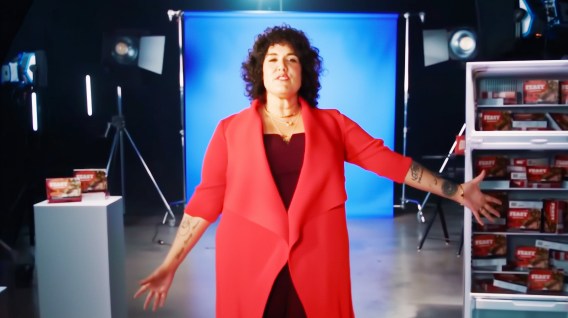
Casey Donovan selling Juniper
When health start-up Eucalyptus launched in 2019, its four founders could hardly have predicted that a little-known diabetes drug, GLP-1 would take them to a $1.6 billion sale in just seven years.
Fast-forward to today, and ads for the start-up’s telehealth service Juniper are unavoidable, with everything from celebrity TV spots to Black Friday deals introducing Australians to fast-track weight-loss GLP-1 drugs Wegovy and Mounjaro.
How Eucalyptus achieved this in Australia — one of the world’s strictest regulatory markets for pharmaceutical marketing — is, in the words of a former medical marketer, “arguably one of the best examples of circumnavigating the rules ever seen.”

An interesting take Eleanor. But I do think we should also give the Euc team some more credit for a) the incredible business they have built and b) the very clear impact they’ve likely had making weight loss available for a hell of a lot of people it probably would not have reached. Whilst I appreciate the rule breaking perspective, there is sometimes a reason rules can and should be broken (I think we all agree the world is better for having Uber and Airbnb, for example… and I would argue many of Euc’s customers would say the same).
Really interesting article, and I think a worthy topic. Certainly GLP1s are far more effective for weight loss than product categories that are totally unregulated and spend millions on consumer ad campaigns (weight loss shakes, supplements, diet food companies etc etc).
One thing I’d dispute about this reporting is the distinction between promotional and educational – my understanding is this provides only limited protection for medicines per TGA guidelines (and the Medicines Australia code of conduct, which is an opt-in code run by pharma companies), as any educational info can still be considered promotional if specific to a product or drug.
Rules are rules really: either it is or it is not legal. Sounds like it is.
Anyway: how much did they get? No one wants to talk and this is what we all want to know.
Why is a founder still making YouTube videos after a $1.6bn deal?