
How to talk about climate without saying ‘climate’
Marketers know that words can make or break a product. Politics is no different. For years, climate advocates have tried to sell Australians on the need for action. The problem isn’t that people don’t believe in it, it’s that they don’t buy it.
Patrick Leyland, chief digital officer at Populares, and former director of digital campaigns for the Australian Labor Party, explains.
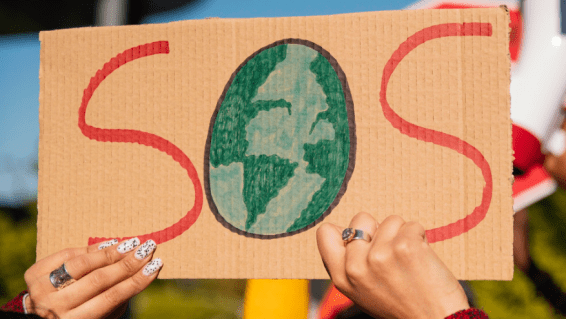
Clean energy is a dirty term
When most people hear the word “climate”, they don’t think about clean jobs or cheaper energy. They think about cost. They think about policy fights, moralising, and someone else’s agenda. The word has become so overloaded with meaning that it now triggers resistance even among people who agree with the goal.
That’s why effective communication about the energy transition often has nothing to do with “climate” at all. The messages that cut through are about control, pride, and opportunity. They’re about the things people can see and touch: jobs, manufacturing, cheaper power and stronger regions. Not abstract emissions targets or global negotiations.
Any marketer worth their salt knows you don’t lead with features, you lead with benefits. Climate policy has been all features for too long: percentages, targets, technical jargon about baseload and grid stability. Meanwhile, the benefits that actually matter to people have been buried in the fine print. When was the last time you heard a politician talk about renewables without mentioning emissions? Yet emissions are the feature. The benefits are lower bills, local jobs, and freedom from price spikes caused by international conflicts.

Patricks comments are valid, however
Net Zero was/ is a self serving fraud advanced by the Labor party.