
Lessons from the wreck of Adelaide Writers Week
Crisis communications expert Peter Wilkinson takes a look at a festival that ran aground on hypocrisy and a lack of organisational solidarity.
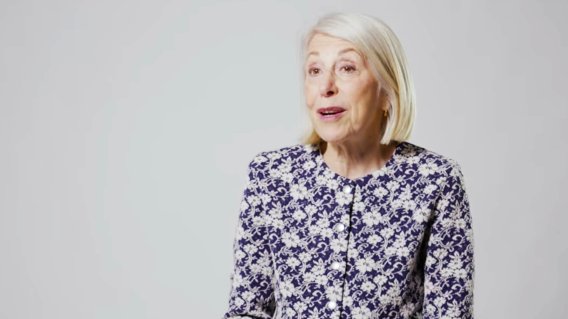
AWW director Louise Adler (Jewish Council of Australia)
The recent cancellation of the Adelaide Writer’s Week (AWW), and resignation and reinstatement of its Director – Louise Adler – is confusing for most Australians.
It started when a Sydney academic and Palestine activist, Randa Abdel-Fattah, was disinvited from the AWW by the Adelaide Festival Corporation Board having originally been invited by Louise Adler; 180 writers dropped out of the festival in protest, Adler resigned, Abdel-Fattah threatened to sue SA Premier Peter Malinauskas for defamation, the 2026 AWW was cancelled, the Board apologised to Abdel-Fattah (unreservedly), invited her to the 2027 AWW, and Adler was reinstated by the AF Corporation as Director.
At issue were Abdel-Fattah’s anti-Israel statements issued online, and her posting of a picture of a paratrooper in Palestinian colours (later retracted) referring to Hamas’ attack on Israel in 2023. The Adelaide Festival Corporation, and the financial backer of the AWW – the South Australian government – did not want her views aired in the wake of the 2025 Bondi terror attack that claimed 15 lives.
A professional perspective
It’s been a schemozzle. From a communications perspective, there have been mistakes throughout this fiasco that can serve as a guide for those who have to make decisions about communications in their daily lives.

Malinauskas will lose. He denied pushing for her disinvitation and documentation has emerged showing that he in fact did. Abdel-fattah is suing him on what looks like very strong grounds. If he loses, which is likely, his position as Premier is untenable.
I agree with you that it’s been a shemozzle. I’m less convinced of your approaches to make it better. Louise Adler was publicly blamed for inviting Abdel-Fatta. This was on the board. Solidarity runs both ways. I couldn’t blame her for reacting like she did. And she gave it a couple of days, probably to see how much damage was being done – before she finally lost it. I agree with you that the board mishandled it. I also agree that it should have been sorted behind closed doors. But the ineptitude of th board left Adler little choice.
Hindsight is of course 20/20 and had they either done as you said and brought in a counterbalance (but would anti Zionists have accepted it? Would the 180 withdrawals have been happy with that?) or let her stay. I think they should have dealt with it by letting her speak this year, limited publicity. Then work out if she is as upsetting to people as she’s purported to be and based any future invitation on that.
I think the bias of the author is showing here. I see Louise Adler as an incredible communicator, look at the 730 Report interview, far stronger than anything the Premier did, including his “tearful” press conference. Louise chose her time to come out well, after 180 authors had pulled from the writers festival. The festival was dead. The only hope was to salvage next years. Louise choose her side. The one that won. In contrast look at the Premier who consistently said he didnt pressure the festival, then his letter was released exposing his bullying attempt. Louise is reinstated. The Premier’s reputation is dinted and he faces a law suit for defamation. The author has got it thoroughly wrong. I suspect many other communicators would agree.
An interesting read, but it needs to be pointed out the Peter Malinauskas letter highlighted was dated more than two weeks after the Bondi massacre, not before. If there was a letter sent in advance of the Bondi massacre it would be interesting to see how different it might have been. As a South Australian, this feels like Mali’s first big comms misstep during his Teflon run as premier.
The Bondi massacre was on December 14, so if the SA Premier wrote a letter on January 2, that would obviously be AFTER it, not before.