
Pushing booze to kids: Instagram study finds celebrity posts skirting bans
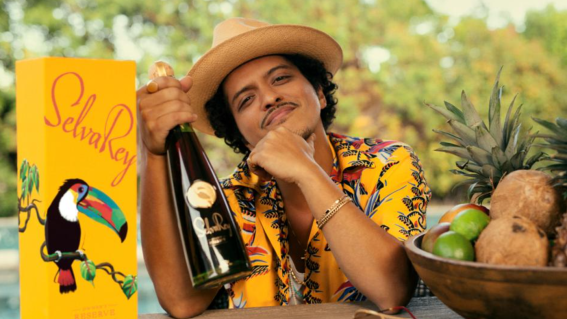
Bruno Mars is one of many celebrities with his own alcohol brand
A four-year study by La Trobe University has found that actors, athletes, and musicians with their own alcohol brands are routinely promoting these products on Instagram posts that are visible to their underage followers. These posts are rarely disclosed as advertising.
The research by La Trobe University’s Centre for Alcohol Policy Research, published in US peer-reviewed medical journal Pediatrics, analysed 85,673 Instagram posts — published between January 1, 2020, and December 31, 2023 — by 112 celebrities who own alcohol brands.
It found that 75% of these owners mentioned their own alcohol brand in at least one post during that period, and nearly 38% “explicitly referenced” their brand in their biography. A total of 133 alcohol brands were promoted across 660 posts, with wine (22%), whiskey (19%) and tequila (16%) the top three types of alcohol being shilled.

The study found that just 1.7% of these alcohol-branded posts included the messaging “#ad”, “sponsored post”, or “paid partnership”.
The La Trobe team set up a fake account for a 15-year-old to determine whether or not these posts were visible to an underaged user.
“Almost 98% of celebrity alcohol-branded posts were accessible to the account we set up for a 15-year-old, who would be well below the legal drinking age in Australia and in most countries,” lead author and graduate researcher Gedefaw Alen writes.
“These posts combined generated over 1 billion likes and 7.5 million comments, which highlights their pervasive reach and influence.”

Kylie Jenner often shills her tequila brand 818 on her Instagram, which has millions of teenage followers
Under the Australian Ad Standards industry Code of Ethics, “advertising must always be distinguishable from content”.
This study was conducted prior to the blanket ban on social media use for under 16s in Australia. This still leaves a two-year age gap where these promotional posts would be visible to teenagers under the drinking age.
Benjamin Riordan, a research fellow in the Centre for Alcohol Policy Research who was involved in this study, tells Mumbrella that, despite the recent age-gating, these findings should still raise concerns for Australian parents.
“If you’re between 16 and 18 you’re still seeing these ads. You shouldn’t see alcohol advertising if you’re that age. And so that’s this loophole that celebrities who own these brands are exploiting.
“Our argument is the ban’s a start, but we should keep pushing to make these platforms safer. I think that, now, one cool thing is there’s political will to do this. And, because these platforms just keep evolving and changing, we just have to look at all the loopholes that are being exploited and work hard to shut them.”

Blake Lively doesn’t drink — but she wants you to
Riordan also points to the outsized influence that celebrities have on underaged Instagram users.
“They have a massive reach. Teenagers are more likely to follow them. That’s the depressing part as well — they idolise these guys. They’re more likely to follow them, and their reach is huge. Some of these posts are massive. They really blow up, and because they receive so much interaction, the platforms then push them.
“A post is performing well and receiving a lot of interaction, so it’s more likely to appear on [a teenager’s] feed.”
The researchers are calling for policymakers to implement stricter regulations on alcohol promotions on social media to protect adolescents from exposure to alcohol-related content.
“Current age-gating and paid advertising disclosure rules on social media are failing young people,” Professor Emmanuel Kuntsche, director of the Centre for Alcohol Policy Research, said.
“Stronger government regulation is needed to protect teens. Regardless of whether influencers promote their own or another company’s alcohol products, we must ensure alcohol-branded posts are clearly disclosed as advertising and are hidden from users below the minimum legal purchasing age.”