
How the Australian Open became a cultural playground where brands win 

As we head into the final days of the Australian Open, Suzie Shaw, APAC CEO at We Are Social, explains that the most interesting stories played out off the court.
The Australian Open isn’t just serving tennis anymore. It’s serving culture. 

What was once a traditional Grand Slam has quietly become one of the most sophisticated examples of how modern sport now works: not simply as a broadcast event, but as a living, social-first cultural system where fandom, fashion, food, creators and brands collide in real time. 

In 2025, the AO welcomed a record 1.2 million attendees through the gates. But the bigger story happened off-court. Nearly two billion global viewers tuned in, while social content generated more than 2.3 billion impressions, fuelled not by official match highlights alone, but by memes, fits, food drops and creator-led moments that travelled far beyond tennis fans. 

This is the new reality of sport. Big moments may still happen on the court, but their cultural impact is built and multiplied in feeds. 

Sport as one of the last true cultural unifiers 

As media fragments and algorithms pull us into narrower interest silos, sport has become one of the few remaining platforms that still delivers both mass reach and deep cultural relevance. But crucially, it does so by accommodating multiple entry points into fandom. 

Today’s sports audience isn’t a single group. It’s a spectrum, from die-hard purists to casual fans who might never watch a full match, but will happily engage with highlights, outfits, behind-the-scenes rituals or creator commentary. 

Our Winning Fans & Feeds report shows that modern fandom isn’t defined by allegiance alone, but by overlapping passions. Sport now sits at the intersection of fashion, music, food, gaming and identity. The Australian Open has leaned into this reality and that’s exactly why it’s become such fertile ground for brands. 

Where brands got it right 

The smartest brand moments at this year’s AO didn’t feel like sponsorships at all. They felt like cultural contributions. 

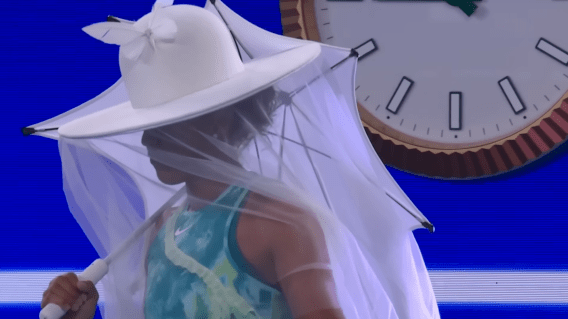
Nike’s collaboration with London-based couturier Robert Wun – resulting in Naomi Osaka’s jellyfish-inspired outfit – wasn’t about performance wear. It was about turning a first-round match into a fashion moment that ricocheted through global feeds, headlines and style communities well beyond tennis. 

Shake Shack’s first Australian pop-up used the AO not as a logo opportunity, but as a launchpad into local culture – instantly recruiting food fans who may not care who won Centre Court, but cared deeply about being there. 

These weren’t bolt-ons. They were designed for fandom mechanics: visual, shareable, culturally fluent and socially native. 

Mecca went mega at Top Court

Why logos no longer win 

As the entry points into sport multiply, the old sponsorship playbook breaks down. A courtside logo or category badge simply doesn’t travel far enough in a world where value is created through sharing, remixing and participation. 

The brands that win today understand the role they are there to play. 

Some, like Rolex, lean into sport as a stage for storytelling about mastery, precision and longevity, rewarding the true obsessives who crave depth, analysis and heritage. 

Others step into the role of cultural connector. At the AO, Mecca transformed entertainment hub ‘Top Court’ into a three-storey beauty and creator playground, attracting fans who came as much for the glam, community and content as they did for the tennis. 

Then there are brands like Mastercard, who focus on pure fan service. Its “Priceless” AO experiences – from omakase dinners inside Rod Laver Arena to exclusive lounges – weren’t about visibility, but about emotional access. They rewarded fandom itself. 

Suzie Shaw – author

The real Grand Slam 

The Australian Open shows what’s possible when sport is designed for the logic of modern culture, not just broadcast schedules. 

For brands, the opportunity isn’t simply to sponsor sport, but to participate in fandom. To understand who fans are beyond the game, what they care about, and how culture actually moves through feeds. 

The brands that get this right won’t just win impressions. They’ll win relevance, affection and long-term brand love. 

And in today’s attention economy, that’s the real Grand Slam. 

Get the latest media and marketing industry news (and views) direct to your inbox.

Sign up to the free Mumbrella newsletter now.

"*" indicates required fields


SUBSCRIBE

Sign up to our free daily update to get the latest in media and marketing.