
ACCC issues first ever fine over hidden influencer deals
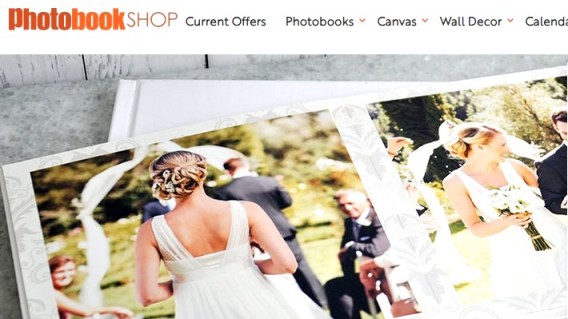
Australia’s competition regulator has fined online printing service Photobook Shop $39,600, in its first financial penalty against a brand for using influencers without disclosing a payment or gift.
The ACCC issued an infringement notice after Melbourne-based Photobook Shop provided products valued between $50 and $400 to influencers on 107 occasions, in return for reviews that explicitly instructed them not to disclose they had received the products, instead presenting them as organic, unpaid endorsements.
The company, trading as Tomsen Consolidate, was also penalised for making “substantive edits” to an influencer’s review of its AI assistant tool, removing references describing it as “a bit fiddly” and “confusing” to use.

In both cases, the brand did not publicly disclose its transactional relationship with the influencers, nor that it had edited the original review, with the ACCC confirming to Mumbrella that these are the first penalties imposed over allegations that an influencer failed to disclose being paid or gifted a product in a review.
“Businesses must not mislead consumers by posting misleading reviews or failing to disclose when an influencer has been paid to create social media content, whether that payment is free gifted products, services, or money,” ACCC deputy chair Catriona Lowe said.
“Influencers can be a powerful marketing tool, and the Australian Consumer Law applies as much to the digital world as it does to bricks-and-mortar retailers.”
According to the ACCC ruling, between August 2024 and September 2025, Photobook Shop commissioned influencers to produce social media reviews and, on 107 occasions, instructed them not to disclose that they had been paid with free products valued between $50 and $400.
A contract revealed by the ACCC instructed influencers:
“Please ensure that your videos do not mention that the product is free, sponsored, or that PhotobookShop contacted you to create them in exchange for products.”

Photobook Shop contract, supplied by the ACCC
The ACCC then issued a second infringement notice after Photobook Shop edited an influencer’s Instagram video review. The original review read:
“I used their AI assistant tool to help me make it [the hard-cover photobook] and while it was a bit fiddly, it did help the overall experience and then I got the chance to modify anything I was unhappy with. It was a bit confusing but I am happy with my photo book.”
After edits by the brand, the review read:
“I used their AI assistant tool to help me make it [the hard-cover photobook] and I am happy with my photo book.”
The ACCC said these changes altered the overall impression of the influencer’s review, making it appear more favourable to Photobook Shop.
The ruling comes more than three years after the ACCC began a major sweep to identify misleading testimonials and endorsements by social media influencers, especially those posting lifestyle content on Instagram, Tiktok, Snapchat, Youtube, Facebook, and Twitch.
Beginning in January 2023, the ACCC investigated 118 social media influencers it said had failed to disclose their affiliation with the products or companies they were promoting. Most were in the beauty, lifestyle, parenting, and fashion sectors, where influencer marketing is prevalent.
Twelve months later, the ACCC revealed that 81% of the accounts reviewed were making posts that raised concerns under Australian Consumer Law for potentially misleading advertising, with 96% of fashion influencers’ posts flagged as concerning.
Since then, no companies or influencers had received financial penalties for such conduct until Photobook Shop.
Prior to this, the ACCC had taken two organisations, Service Seeking and Health Engine, to court in 2018 over misleading online reviews.
HealthEngine was subsequently fined $2.9 million for engaging in misleading conduct, including sharing patients’ personal information with private health insurers and publishing misleading patient reviews and ratings.