
Pour decisions: When comparative ads fill the wrong cup
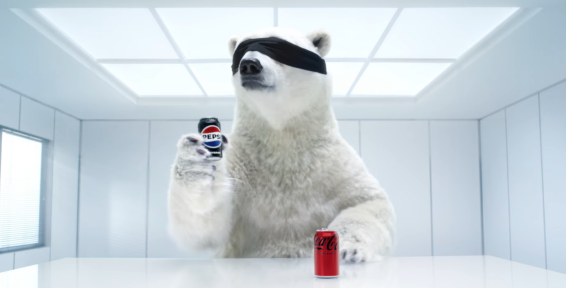
Pepsi’s Super Bowl ad pits its own product against Coca-Cola, in a cheeky campaign that shows a polar bear conducting a blind taste test. But is it a touchdown or a 10-yard-line fumble?
Ehrenberg-Bass Institute’s senior marketing scientist Cathy Nguyen ran a multi-market study to discover how well comparative ads work at evoking the correct brand in viewers’ minds.
The bear necessities
Marketers adore a good showdown. Mac versus PC. Burger King nudging the golden arches. And back in the spotlight once again, Pepsi versus Coke. Comparative advertising is the industry’s version of a public battle bold, theatrical and designed to get people talking. But while the creative drama plays out on screen, a quieter contest unfolds in people’s minds.
The trouble with sharing the stage
Pepsi’s high profile Super Bowl ad for 2026, directed by Oscar-winning filmmaker Taika Waititi, leans heavily on competitor references and cultural callbacks.
The polar bear is not just a cute animal. For some viewers, it is a well-rehearsed mental shortcut to Coca-Cola. Layer onto that additional cues such as taste test tropes that feature the competitor’s product, a classic rock soundtrack and a nod to a certain stadium concert moment that had the internet in a spin – a single ad becomes cluttered very quickly.
It makes for entertaining viewing, yes. But at what cognitive cost? It raises the question: how well do comparative ads work at evoking the correct brand in viewers’ minds?

Hey Cathy. interesting piece – definitely think the industry doesn’t pay enough attention to this kind of unintended consequences/prioritising the wrong thing. For clarity though, what proportion of the one fifth taking away Coca-Cola would have been hardcore Coca-Cola loyalists (ie never going to switch to Pepsi anyway)? I’d guess quite a lot. So obviously not handy to advertise for the competition, but imagine that the target for Pepsi is the middle ground persuadables, so if they got an improvement with them through greater cut through and likability, might it still be a positive outcome for Pepsi?
What does bundy rum have to say about this
Fascinating. Would be really interested to see comparative data on different ads, especially when different types of visuals are used.