
Quiet achiever Acast says ‘authentic integration is on the rise’
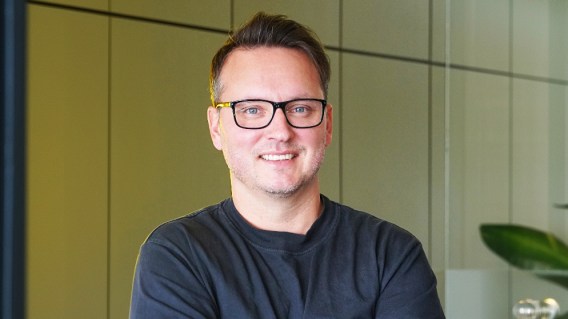
Earlier this month podcasting hosting and monetisation network Acast secured the return of Abbie Chatfield and her It’s A Lot podcast. It is one of a string of wins for Acast, a Swedish-founded network that arrived in Australia in 2017, and speaks to a content philosophy that marries creative independence with graduated production assistance.

Mumbrella sat down with Acast Australian and New Zealand managing director Henrik Isaksson to walk through the content and advertising strategy of a network that says it is still “audio first”.

Authentic integration on the rise

While podcasting has been around for more than two decades, its commercialisation is relatively new and Isaksson noted it continues to change.

“The lion’s share of business that we’re winning from an advertising perspective has elements of social amplification, video amplification. Acast is audio first, but not audio only, because ultimately our job in this is to answer the brief to the advertiser, regardless of where the audience is.

“It doesn’t necessarily just have to be in audio. It can be on Instagram, or it could be on Tiktok, or it could be on Youtube. The lines are getting a little bit blurred, and I don’t think that is a negative at all.”

Integration is something Isaksson mentions often during the interview. It is first referenced in a question about sponsorships versus 30-second spots.

“The Coca-Colas and the Airbnbs of the world are doing really good work, understanding the true meaning of the audience that’s listening to the podcast,” he said.

“Authentic integration is definitely on the rise. There’s a number of smaller advertisers in Australia that aren’t global who understand that too.”

The growth trajectory for podcast advertising will continue, said Isaksson. “We know that PWC is forecasting close to $400m revenue drop in linear radio broadcasting over the next four years in Australia.

“We know that advertisers are turning to on-demand mediums like podcasting, streaming video and social. I’m not saying that the $400 million leaving radio will go to podcasting, but I do think podcasting will benefit from that as audiences transition.”

A global presence

A selection of Acast’s offerings

When asked what differentiates Acast from competitors like SCA’s Listnr and ARN’s iHeart Podcast Network, Isaksson referenced its international strength.

Founded in Sweden in 2014, Acast bills itself as the world’s largest independent podcast company. Global expansion has been a focus —  it has a physical presence in 15 global markets.

“Probably our global footprint, if you’re a creator, you have all the means to succeed in every major media market in the world.

“The second thing I would say is, what’s appealing to creators and to advertisers is the fact we’re the only business who has got direct relationships and partnerships with the likes of Spotify, Youtube and now Apple for video podcasts.”

While video is of growing importance for the podcast audience, Isaksson said it was too early in the growth of video podcasting to guess at what percentage of listens are currently attributable to video.

“We have podcasters on the platform at the moment who are video only and some who are video and audio, but they are audio first and video second.

“The definition of a podcast is changing very rapidly at the moment. Some people refer to a podcast as something they watch on Youtube, others refer to a podcast as something they listen to on Apple Podcast or on Spotify.”

Chasing talent

Acast creators Grace Garde, Megan Pustetto, Jan Fran, Antoinette Lattouf and Mitch Churi

Abbie Chatfield launched her podcast with Acast in 2020 but was lured away to Listnr where she hosted a weekday radio show in addition to the podcast. Now she is back after her management reached out to Acast following her decision to exit radio.

It’s a Lot is a Top 10 Podcast Ranker performer, or it was with Listnr. Acast doesn’t have a deal with Podcast Ranker publisher Triton so unless Chatfield decides to sign her own agreement with the Ranker her title may disappear from the chart.

Acast doesn’t send logs to the Australian Podcast Ranker,” said Isaksson. “We are more than happy to provide logs for any and all creators working with us and we don’t discourage them from doing it. It’s up to the podcasters themselves.”

Securing the return of Chatfield was just one of recent wins at Acast. Isaksson said: “We’ve had Myf Warhurst join [with The Moment podcast]. We’ve had Antoinette Lattouf join Acast with Jan Fran [We Used to be Journos]. We’ve also had Mitch Churi join us with The Mitch Churi Chat Show.

“One thing that they all have in common is they want to be fiercely independent. Acast allows creative freedom. We don’t control what they say. We take no ownership of the IP. The work that they do is theirs. Our job in all of this is to make sure that they make money off the work that they do and make sure that it ends up in the end destination where it needs to be.”

Acast has a three-person creator network team based in the east coast mainland capitals and is currently recruiting for a creator manager to work out of Acast HQ in Sydney.

When asked about what sort of deals Acast offers creators, Isaksson said each case is judged on its merits. There is no blanket Acast deal across all content.

“The most basic agreement Acast has is one to distribute your podcast using our tools. Then it scales up from there when we can offer a managed service where we provide studio space. We can also offer audience growth mechanics across YouTube, Spotify, or Apple Podcasts.

“Also PR and marketing if required by creators. It also depends on where we see the gaps [in the market] and what the demand is from audiences and advertisers.”

Different podcasters want different things

Isaksson explained the differing needs of content creators.

“Rosie Waterland [Just the Gist] has been with Acast for 12 months now, and she wants to use our studio, which we have here in Woolloomooloo. Compare that to Toni and Ryan, who have got a full production facility down in Melbourne, and it’s a good one too. At the core of this is what creators want from Acast is being able to succeed on their own terms.

“We are very open about this when we initiate a creator conversation or when they come to us.

“If they want to build something that lasts well beyond a two-year contract, Acast is the best option.

“That’s been consistent over the years that I have been with Acast. If they want our services like getting help growing their audiences, if they need input on how to make content, we’re here for them. But equally, if they don’t want that, that’s fine.”

With a big Acast podcast, like Toni and Ryan, the global strength of the network is a major attraction. Isaksson noted how the duo recently sold out shows across non-English speaking markets in Europe.

Yet, he noted the company doesn’t see just one global marketplace.

“My boss, Greg Glenday, who’s  the global CEO, has been very vocal about this. The Australian market is unique, the US market is unique and the UK market is unique.

“We would be foolish to think that we can just apply like a one size fits all, which many global businesses do. That’s one of the reasons why we are successful. Look at the audio market in Australia. It’s extremely buoyant. It’s healthy, although we are seeing some declines across the board. This is not the case in the UK and it certainly is not the case in the US.”

When asked about the performance of the Australian market, Isaksson said Acast won’t break out market performance figures.

Big global hits that come from the Australian office include Toni and Ryan of course, but also Casefile True Crime, a podcast which at its former home at iHeart often topped the Podcast Ranker.

“Having a big, proper office with boots on the ground in Melbourne, Sydney and Brisbane is important to us. While I can’t give you specifics in terms of revenue, I suspect that Acast Australia isn’t going anywhere.”

Where are the gaps in the market?

Isaksson told Mumbrella that at meetings with the Acast creator network team the conversation often canvases audience appetite for particular genres.

“Have we reached peak true crime is something that is regularly discussed. Also have we reached peak news?

“There’s obviously only so many, say, finance podcasts, that we can work with at any given time in the creator network. Because there is a competitive nature to briefs.

“Yet Acast is still a really good option [for creators]. Just because we might have one comedy podcast doesn’t mean we can’t monetise the second or the third or the fourth. It depends on where the brief lands.”

Get the latest media and marketing industry news (and views) direct to your inbox.

Sign up to the free Mumbrella newsletter now.

"*" indicates required fields


SUBSCRIBE

Sign up to our free daily update to get the latest in media and marketing.